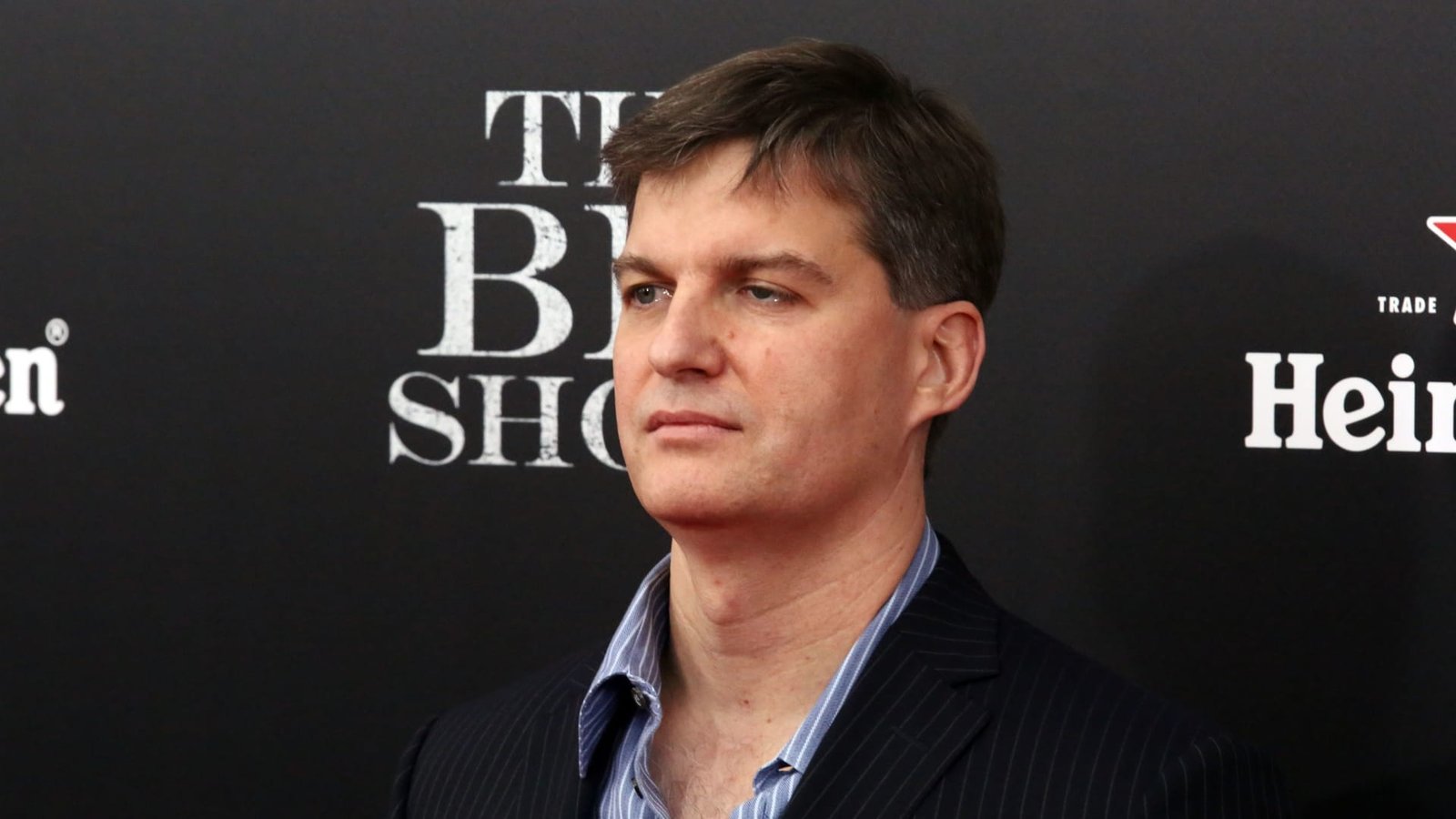
Michael Burry dumped his entire stake in GameStop after the company’s audacious bid for eBay , saying the deal’s heavy leverage shattered the investment case he had been building. “I sold my entire GME position,” Burry said in a Substack post late Monday. “Any which way I sliced it, the Instant Berkshire thesis was never compatible with > 5x Debt/EBITDA, never ok with interest coverage under 4.0x. … As a result, GME is the first sale since I started this Substack.” GameStop made an unsolicited, nonbinding offer to acquire eBay for $125 per share in cash and stock, valuing the online marketplace at roughly $55.5 billion. The proposal is a steep premium to recent trading levels, but also raises questions about financing. GameStop’s market capitalization is a little less than $12 billion. Shares of GameStop fell about 10% on Monday following the announcement, reflecting investor skepticism around the feasibility of the deal and the potential strain on the company’s balance sheet. GME 5D mountain GameStop over the past 5 days Burry, made famous by the “Big Short,” had thought that deal-making could transform GameStop into a version of Berkshire Hathaway , but decided that the company’s capital structure following the proposed acquisition was incompatible with his “Instant Berkshire” thesis. That idea was never consistent with the level of indebtedness required to pursue a takeover of eBay, he said. “Instant Berkshire did not contemplate anywhere near 5x+ leverage,” Burry wrote. “Never confuse debt for creativity.” Burry said the more likely outcome at the proposed valuation would push leverage to roughly 7.7 times debt to earnings before interest, taxes, depreciation and amortization — a level bordering on distressed, he said. He pointed to companies such as Wayfair and Carvana as examples of businesses that struggled under similar debt burdens. “Wayfair lived there for years, Carvana nearly died there and still might from such a start. Bath & Body Works too. Those are the survivors. They are few,” he said. The offer for eBay is split evenly between cash and stock, with GameStop securing a $20 billion financing letter from TD Bank. That still leaves a yawning gap between available funding and the implied purchase price, leading to uncertainty as to how the deal would work. GameStop CEO Ryan Cohen gave few details in a combative interview with CNBC on Monday, directing questions to the company’s published materials. He said GameStop has the flexibility to issue equity to close a deal but stopped short of outlining a definitive financing plan. EBay confirmed that it received the offer in a statement Monday, and said its board would review it.
‘Never confuse debt for creativity’