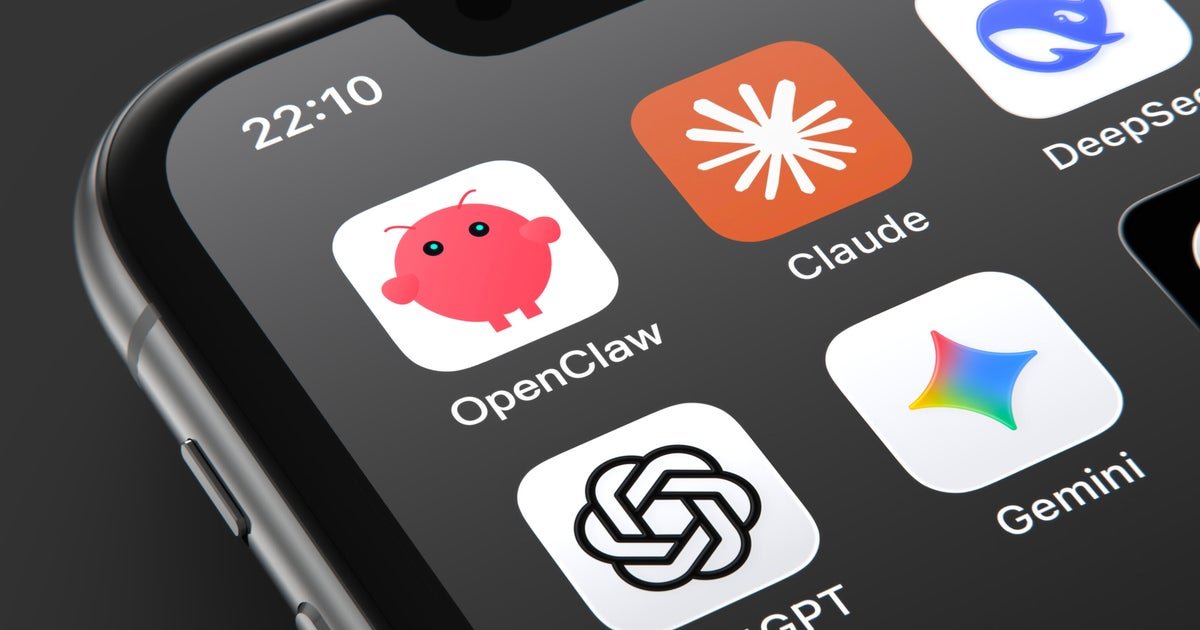
Spending on AI subscriptions is starting to become a part of some households’ budgets as users choose to upgrade to more powerful versions of publicly available generative AI tools, like OpenAI’s ChatGPT.
The share of U.S. households that now pays for a generative AI subscription is up roughly 155% compared to last year, according to new data from PNC Bank.
However, only about 2% of all U.S. households, many of them upper-income, spend money on such tools.
Not a lot of churn
Consumers who pay to use AI tools appear to be satisfied with the products they’re spending money on, according to PNC data, which found that subscriptions are “getting stickier.”
In other words, once users sign up, they tend to remain subscribers for a long period as opposed to dropping the plans. The average length of a subscription is seven months, according to PNC.
“That suggests many users are finding ongoing value in these services rather than simply trying them out for a month or two,” the report’s authors said.
How much does Gen AI cost?
Among households that pay for generative AI subscriptions, the vast majority are shelling out $20 a month, which is roughly the going rate for most consumer-facing tools, according to PNC.
A much smaller share of households opt for more expensive “pro” plans.
OpenAI’s most basic ChatGPT offering is free, but comes with limitations. An $8 per month “Go” offering lets users send more messages than the free model, while a $20 “Plus” plan is faster and gives users early access to new features. ChatGPT “Pro,” the most expensive offering, costs $100 a month.
Similarly, Anthropic’s AI assistant, called Claude, has a free version that can analyze text and images and write basic code. A “Pro” version, at $17 per month, has more memory and gives subscribers more usage. Claude also has a $100 “Max” plan.
Real revenue stream?
The 2% of households that subscribe to generative AI services is far lower than the roughly 25% of U.S. consumers who pay for monthly streaming subscriptions, according to Brian LeBlanc, senior economist at PNC.
“We are growing quite rapidly, but we are still nowhere near streaming,” he said. “AI capital expenditure if fueling growth in the economy and a lot of investment is predicated on it eventually being profitable.”
A greater share of consumers spend money gambling online than they do paying for AI tools. PNC found that 5% of U.S. households spend money on sports betting apps.
LeBlanc said the big AI players are vying for market share and expects free offerings to remain on the market for now. Ultimately, though, the firms behind generative AI tools will have to find a way to make up the cost of providing such services.
“We’re living in a time where it’s cheapest to use these services,” LeBlanc said. “I’m curious, as time goes on, whether they’ll start increasing prices, and what that will do to adoption rates.”